Digital Table Game Reward Systems Adjust to Worldwide Compliance Framework Changes
Lars Hartmann · Oct 13, 2026
Digital Table Game Reward Systems Adjust to Worldwide Compliance Framework Changes
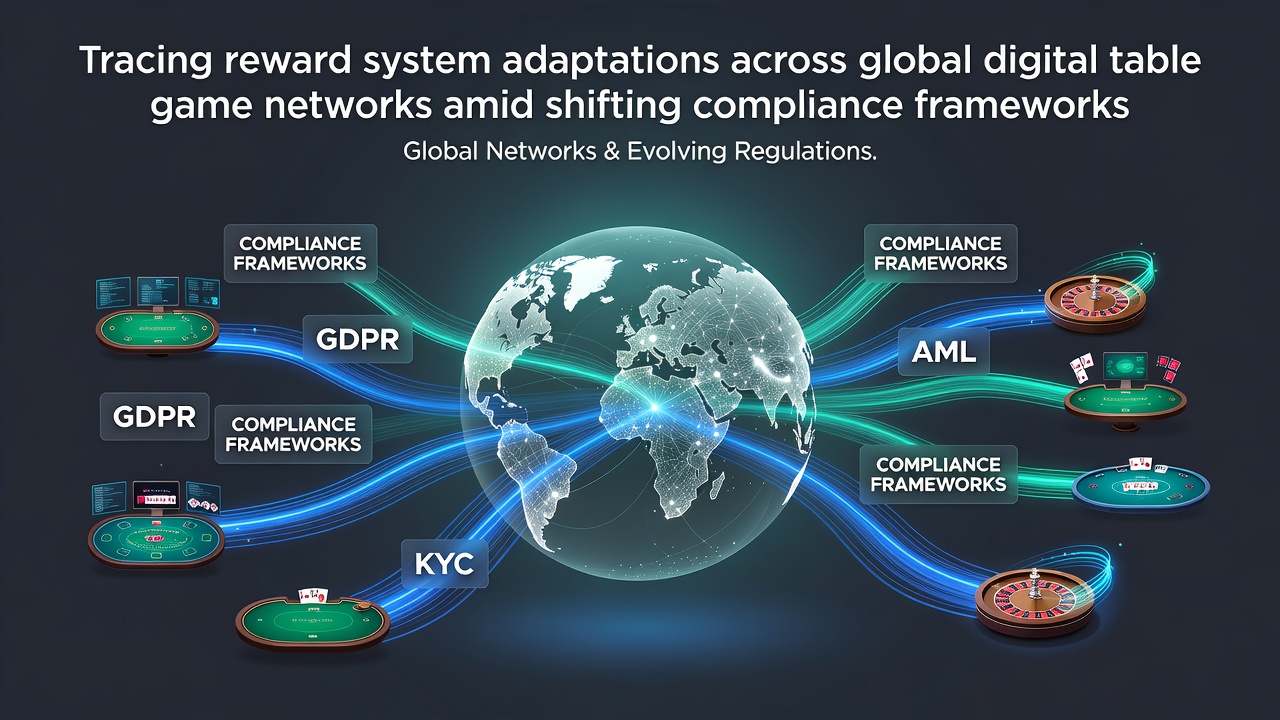
Digital table game networks have expanded rapidly across multiple continents, and operators now face the task of modifying reward structures to align with updated compliance rules that vary by jurisdiction, and these modifications include adjustments to loyalty point accrual rates along with bonus eligibility criteria that reflect new reporting mandates introduced in several regions during 2025 and 2026.
Regulatory Updates Shape Point Allocation Methods
European regulators introduced revised standards for player data handling in licensed online environments, and these standards require platforms to segment reward offerings based on verified player locations, while operators in Asia-Pacific markets implemented parallel changes that tie bonus multipliers to real-time compliance checks conducted through centralized systems, and data from the Singapore Casino Regulatory Authority shows that table game networks there reduced certain high-frequency reward triggers by 18 percent after October 2025 to meet enhanced audit protocols.
Canadian provincial authorities followed a similar path when they updated guidelines for digital wagering in early 2026, and those guidelines now mandate that reward redemptions undergo automated verification against responsible gaming thresholds, which has prompted several major platforms to integrate new tracking modules that pause point accumulation once predefined session limits are reached.
Cross-Border Network Synchronization Efforts
Platform providers that operate across borders have developed unified backend architectures capable of applying jurisdiction-specific reward rules without disrupting user experience, and these architectures rely on geolocation data combined with API connections to local regulatory databases so that a player accessing a blackjack table from one country receives different point earning rates than the same player accessing an identical table from another country, and industry reports indicate that synchronization projects completed in the second quarter of 2026 covered more than 40 licensed networks.
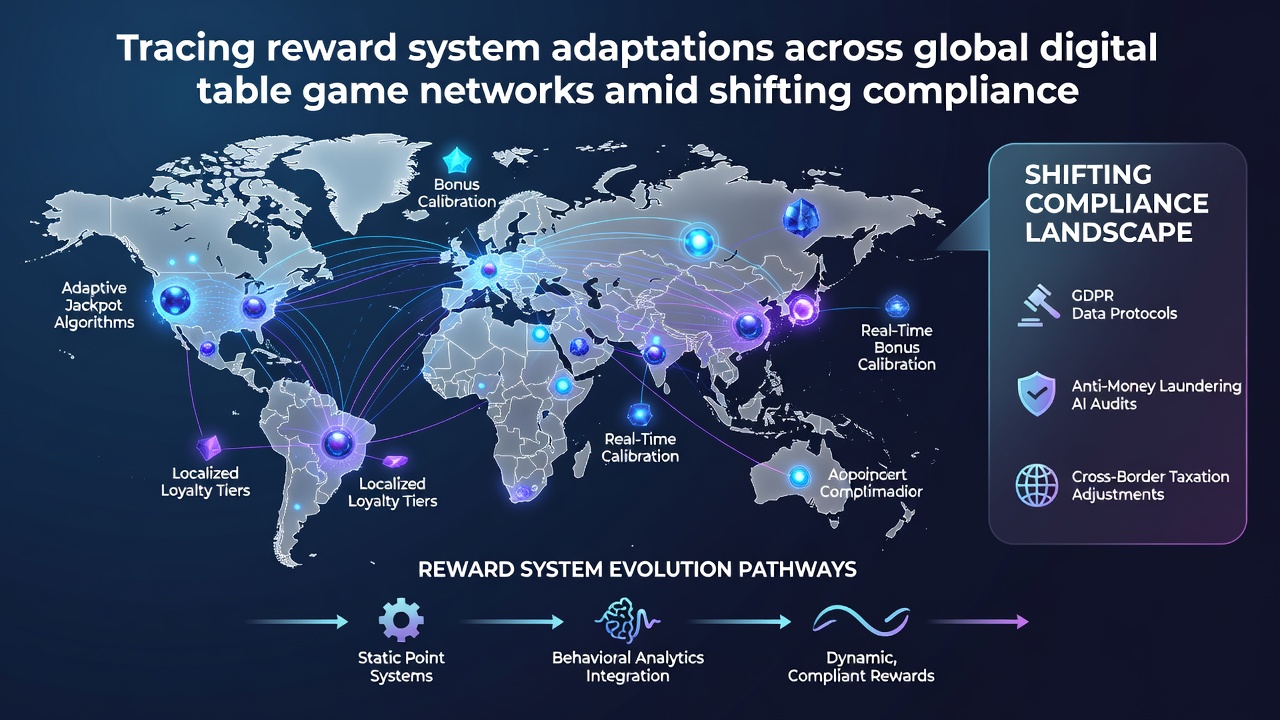
One study released by researchers at the University of Nevada Reno examined integration patterns in these synchronized systems and found that table game operators achieved a 22 percent improvement in audit pass rates after deploying modular reward engines, while another analysis from the Australian Institute of Criminology documented how similar adaptations in licensed poker networks reduced instances of reward-related compliance flags by nearly one third over a nine-month observation period.
Technical Adjustments in Bonus Delivery
Technical teams have shifted focus toward dynamic bonus delivery engines that recalculate offers based on incoming compliance signals, and these engines now incorporate variables such as player verification status, transaction history flags, and regional tax reporting requirements so that a progressive jackpot contribution from a roulette spin might generate different loyalty credits depending on the licensing jurisdiction active at the moment of play, and software updates rolled out in October 2026 introduced enhanced logging features that capture every reward calculation step for subsequent regulatory review.
Network operators have also revised terms surrounding reward expiration and transfer rules, and these revisions align with new consumer protection measures that several North American and European bodies enacted during the past year, while data released by the National Center for Responsible Gaming in the United States reveals that adjusted expiration windows reduced unclaimed reward balances by 15 percent across sampled digital table game environments.
Impact on Player Behavior Metrics
Analytics platforms tracking table game sessions have recorded measurable shifts in engagement patterns following the implementation of revised reward frameworks, and session length averages in certain markets stabilized after operators introduced compliance-linked caps on daily point earnings, whereas participation rates in multi-table tournaments showed slight increases in regions where reward structures emphasized skill-based bonuses over volume-based accumulation.
Those who monitor global network traffic note that cross-platform reward portability features, which allow players to carry points between licensed table game environments, now operate under stricter validation layers that prevent transfers across non-compliant jurisdictions, and early figures from October 2026 indicate that such features maintained steady usage volumes while satisfying new audit requirements in at least six major markets.
Conclusion
Global digital table game networks continue to refine reward system components in response to evolving compliance frameworks, and these refinements encompass point allocation logic, bonus delivery timing, and cross-border synchronization tools that together support ongoing regulatory alignment without interrupting core gameplay functions, while available data from regulatory bodies and research institutions document measurable outcomes in audit performance and player metric stability across the networks examined.