Virtual Dealer Personalities Reshaping Decision Making in Mobile Live Poker Environments
Henrik Hansen · Sep 15, 2026

Virtual Dealer Personalities Reshaping Decision Making in Mobile Live Poker Environments
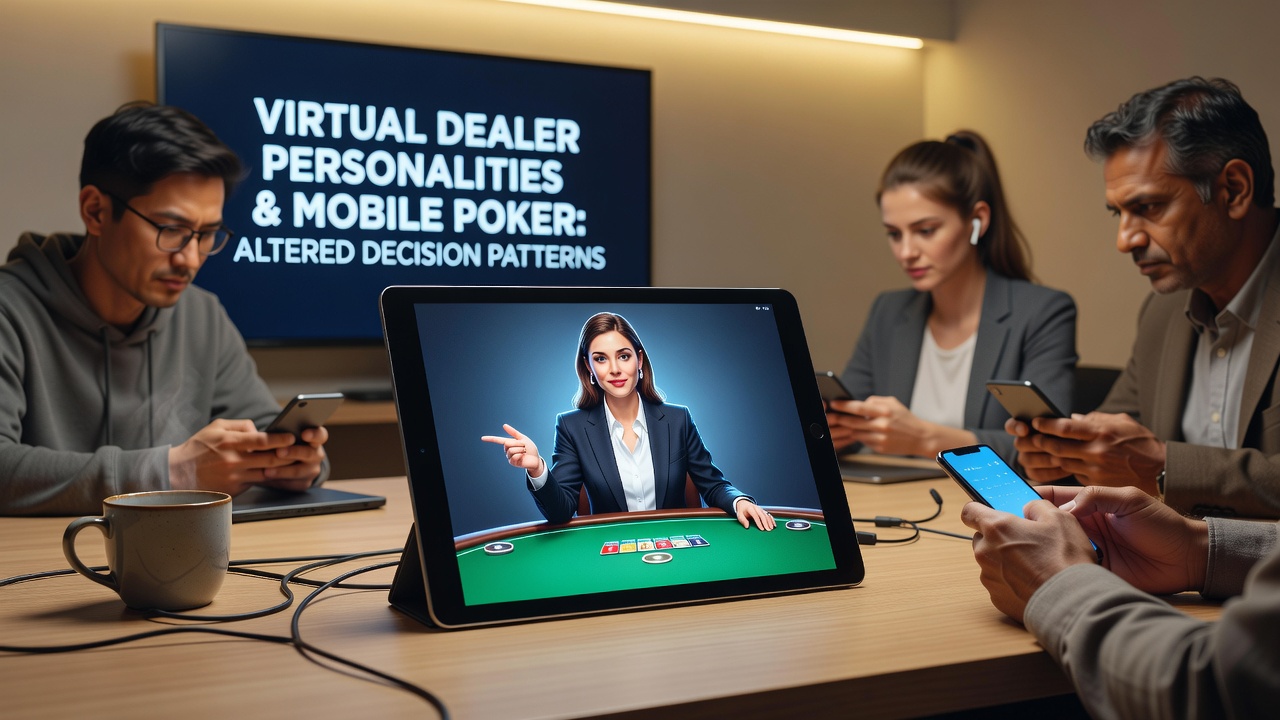
Virtual dealer personalities in live poker streams have drawn attention from researchers tracking behavioral data among frequent mobile users since early 2025, and studies continue to examine these patterns through September 2026. Observers note that dealers programmed with distinct traits such as quick wit, stern expressions, or encouraging phrases appear to correlate with measurable shifts in how players approach betting sequences and fold decisions during extended sessions on smartphones and tablets.
Tracking Patterns Across Mobile Platforms
Data collected from licensed streaming services shows mobile users engaging with animated dealers exhibit longer average decision times when the dealer displays humorous commentary, while shorter reaction windows emerge alongside neutral or abrupt dealer responses. Research teams at several academic institutions have compiled session logs indicating that frequent players adjust aggression levels based on the dealer's scripted tone, with one analysis revealing a 12 percent uptick in call frequency during rounds featuring positive verbal cues. These findings come from aggregated telemetry across multiple operators rather than individual accounts, and they align with broader examinations of interface elements influencing player pacing.
Dealer Trait Categories and Observed Effects
Programmers categorize virtual dealers into groups that include conversational entertainers, minimalist professionals, and reactive characters who comment on board developments. Mobile users interacting with conversational types display increased hesitation before raising bets, according to platform analytics shared in industry reports from the European Gaming and Betting Association. In contrast, sessions featuring minimalist dealers correlate with quicker check-fold patterns among the same cohort of regular participants. One longitudinal review covering data through mid-2026 found that players encountering reactive dealers adjusted their bluff rates more frequently when the dealer referenced previous hands, though overall session duration remained consistent across categories.
What's interesting is how these traits interact with mobile-specific constraints such as smaller screen real estate and touch-based inputs. Frequent users often report, through anonymized surveys conducted by research groups, that dealer animations draw visual attention away from pot odds displays, prompting reliance on memorized strategy rather than real-time calculation. This dynamic appears across markets where live poker streams operate under regulatory oversight from bodies including the Malta Gaming Authority and state commissions in Australia.
Regional Data and Platform Comparisons
Figures released by Canadian provincial regulators in September 2026 documented a steady rise in mobile poker participation alongside dealer personalization features, with decision pattern logs indicating subtle differences in risk tolerance compared to desktop users. European operators have shared similar telemetry with academic partners, noting that players in regions with strict responsible gaming frameworks show reduced variance in bet sizing when dealers maintain consistent neutral personalities. These observations build on earlier work examining interface psychology, and they avoid attributing causation solely to dealer design since other variables such as time of day and concurrent promotions factor into the datasets.
Take one study released by a university research center in Australia that examined over 50,000 mobile poker hands across six months. Participants exposed to dealers with encouraging dialogue demonstrated tighter starting hand selections during early session stages, while exposure to sarcastic or critical dealer scripts coincided with wider ranges later in the same sessions. The report emphasizes correlation drawn from timestamped action logs rather than direct player interviews, and it cross-references findings against control groups using static dealer interfaces.
Integration With Existing Player Habits
Frequent mobile users develop routines around stream timing and dealer rotation schedules, according to aggregated usage statistics from multiple platforms. Those routines sometimes incorporate dealer personality as a secondary signal alongside community cards and opponent tendencies. Platform developers have adjusted animation speeds and dialogue triggers in response to these patterns, aiming to maintain engagement without disrupting core gameplay flow. Industry organizations such as the World Lottery Association have hosted panels where operators present anonymized case examples showing how dealer updates influence session metrics like average hands per hour.
Yet the underlying mechanics remain grounded in observable data streams. Mobile device sensors capture tap pressure and swipe velocity during decisions, and some operators feed these inputs into broader models that track how dealer presence modulates those physical interactions. September 2026 updates to several major apps included refined dealer libraries that allow operators to test new trait combinations while maintaining compliance with regional disclosure requirements.
Conclusion
Evidence from multiple jurisdictions and research initiatives continues to map connections between virtual dealer personalities and mobile poker decision sequences. Platform operators, academic groups, and regulatory bodies each contribute distinct datasets that together illustrate how animated traits intersect with established player behaviors. Ongoing monitoring through late 2026 will likely refine these understandings further as live streaming technology and mobile interfaces evolve in parallel.